2026-11-14 · David Harlan
Steps to Protect Your Basement From Flooding During Charlotte's Wet Season
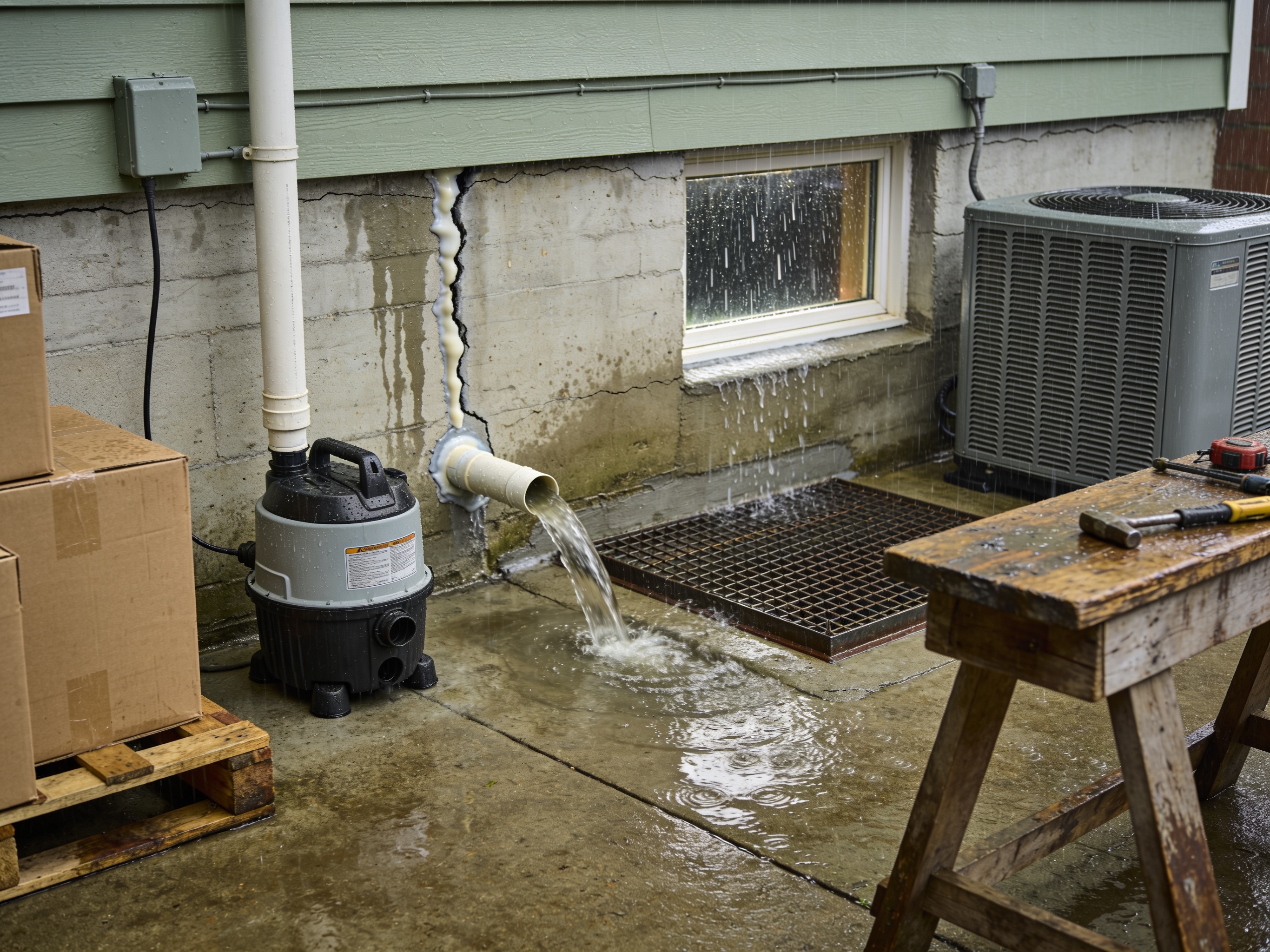
Charlotte homeowners can reduce basement flooding risk during the wet season by improving exterior grading, sealing foundation cracks, and maintaining gutters before storms arrive. These measures work best when applied to the brick and concrete basements common in Dilworth, Myers Park, and Elizabeth, where many homes predate modern waterproofing standards.
Evaluate and Improve Exterior Grading
Proper grading directs water away from the foundation before it reaches the basement walls. In Mecklenburg County, the clay-heavy soils hold moisture longer than sandy ground, so even a modest slope of six inches over the first ten feet can make a measurable difference. Walk the perimeter after a rain and look for pooling near the house, especially in Ballantyne and Plaza Midwood where mature landscaping sometimes creates low spots. Re-grade soil or add compacted fill to create positive drainage, then cover the area with mulch or river rock to prevent erosion during the next downpour.
Maintain and Upgrade Gutter and Downspout Systems
Clogged or undersized gutters allow water to cascade against the foundation during Charlotte's intense summer thunderstorms. Clean gutters at least twice each wet season and verify that downspouts extend at least five feet from the house, or connect them to French drains where space is tight. Homes near Freedom Park and the Bechtler Museum of Modern Art often sit on smaller lots, making proper extension critical. Consider adding gutter guards if nearby trees drop leaves heavily in fall, reducing the chance of overflow that feeds directly into basement window wells.
Seal Foundation Cracks and Install Window Well Covers
Hairline cracks in older concrete foundations widen under repeated freeze-thaw cycles even in mild winters, letting water seep through during prolonged rains. Inspect visible walls in the basement after each storm and fill cracks with hydraulic cement or epoxy injection rated for below-grade use. Cover window wells with clear polycarbonate lids sized to the opening; this simple step blocks leaves and debris that trap water against the glass. Residents in South End and NoDa report fewer seepage calls after adding these covers to pre-1960 homes.
Install or Upgrade Sump Pumps with Battery Backup
A reliable sump pump handles groundwater that still reaches the foundation despite exterior work. Choose a 1/3-horsepower or larger unit with a battery backup that activates during power outages common after Charlotte storms. Place the pump in the lowest point of the basement and test it monthly by pouring water into the pit. In areas like Mint Hill and Stallings, where the water table sits higher after extended rains, many owners add a secondary pump as redundancy.
For homes that still experience water intrusion after these steps, professional flood damage restoration teams can assess hidden issues. See also How to Spot Hidden Water Damage After Summer Storms in Charlotte for post-storm inspection guidance and What Charlotte Homeowners Pay for Water Damage Repair in Older Neighborhoods for realistic cost ranges in Dilworth and Myers Park.